Creating a cozy and inviting home workspace is essential for anyone who spends a significant amount of time working from home. A well-designed workspace not only enhances productivity but also positively influences your mood and comfort. Whether you have a spare room, a corner of the living room, or a small nook, turning it into a pleasant work environment can make a big difference in your daily routine. Here are practical tips to help you create a workspace that feels welcoming and inspires focus.
Choose the Right Location
Selecting the right spot for your workspace is a crucial first step. Look for a place with:
– Natural light: Position your desk near a window to enjoy daylight, which can improve your mood and reduce eye strain.
– Minimal distractions: Pick a quiet area away from household noise, especially if you attend virtual meetings.
– Sufficient space: Ensure there’s enough room for your desk, chair, and any accessories you need.
If space is limited, even a small corner with a compact desk can become a functional workspace.
Invest in Comfortable Seating
Your chair plays a major role in comfort and posture during long work hours. Consider these points when choosing a chair:
– Ergonomics: Look for adjustable height and lumbar support to keep your spine aligned.
– Cushioning: A well-padded seat reduces discomfort.
– Mobility: Wheels and swivel features offer convenience if you need to move around your workspace.
If buying a new chair isn’t an option, adding a supportive cushion or lumbar pillow can help improve comfort.
Optimize Desk Setup
Your desk should accommodate your work needs without clutter. To optimize your desk setup:
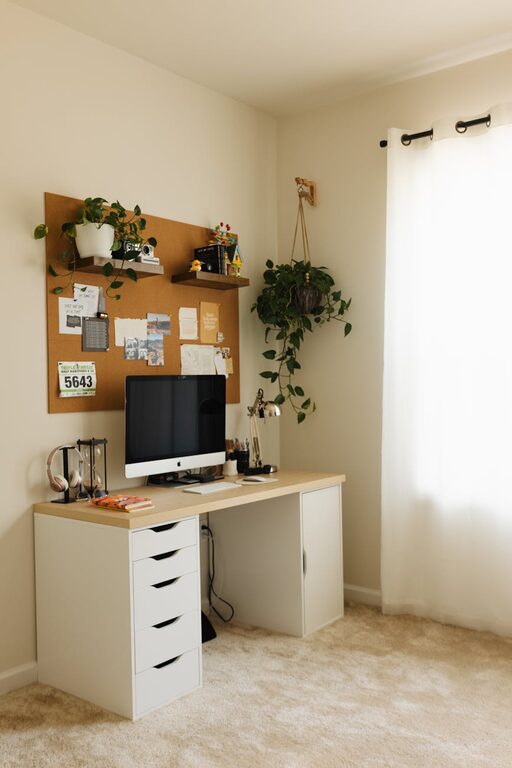
– Keep essentials handy: Place your computer, notepad, and frequently used items within easy reach.
– Limit distractions: Avoid unnecessary gadgets or decorations that can clutter the space.
– Use monitor stands: Raise your screen to eye level to prevent neck strain.
– Add organization tools: Use trays, desk organizers, or cable management clips to keep cords and supplies tidy.
A clean, well-arranged desk helps maintain focus and reduces stress.
Add Warm and Inviting Decor
Personal touches make your workspace more inviting. Here are some ideas:
– Soft textiles: A cozy throw blanket or a cushioned seat can add warmth.
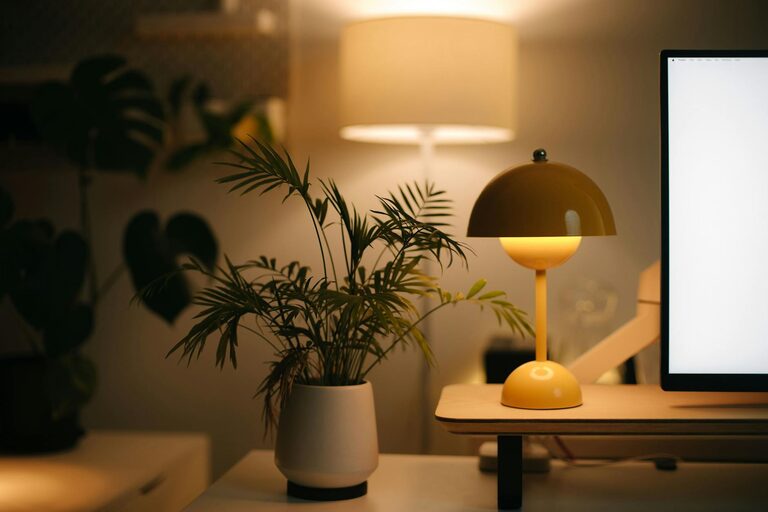
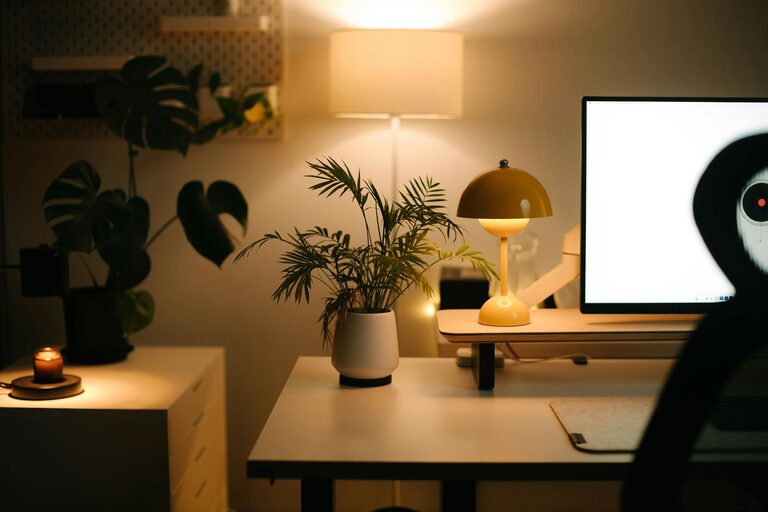
– Plants: Real or artificial greenery brings freshness and can boost creativity.
– Artwork: Hang inspiring or calming art pieces that reflect your personality.
– Lighting: Use a desk lamp with adjustable brightness or warm-colored bulbs for a soothing atmosphere.
Decor elements should enhance comfort without overcrowding your workspace.
Create Good Lighting
Proper lighting is key to reducing eye strain and creating a pleasant work environment:
– Natural light: Maximize daylight during working hours.
– Task lighting: A focused desk lamp helps when working on detailed tasks.
– Ambient lighting: Overhead or wall lights provide general illumination.
– Avoid glare: Position screens and lamps to minimize reflective glare.
Layering different light sources gives flexibility for various tasks and moods.
Keep It Organized
Clutter can distract and make your workspace feel chaotic. To stay organized:
– Declutter regularly: Remove items you don’t need daily.
– Use storage solutions: Shelves, drawers, and boxes help keep things sorted.
– Label containers: Labels make it easy to find supplies quickly.
– Go digital: Limit paper use by scanning documents and using digital note-taking apps.
An orderly workspace fosters calmness and productivity.
Manage Noise and Distractions
Creating a peaceful environment helps maintain concentration:
– Noise-canceling headphones: Block noise and enhance focus.
– Background music or white noise: Some people find gentle sounds helpful for concentration.
– Communicate boundaries: Let household members know your work hours and need for quiet time.
Adjust your space to minimize interruptions and promote efficient work sessions.
Incorporate Movement and Break Areas
To stay healthy and refreshed during work, consider:
– Standing desk options: Alternate between sitting and standing.
– Stretch areas: Clear a small space for stretching or light exercises.
– Comfort breaks: Use a nearby comfy chair or corner to take short breaks away from your desk.
Regular movement reduces fatigue and keeps your mind alert.
Final Thoughts
Making your home workspace cozy and inviting doesn’t require a big budget or drastic renovations. Small, thoughtful changes focused on comfort, organization, and personalization can transform any space into a productive haven. Prioritize your well-being and style, and you’ll enjoy your time working from home much more.
With these tips, you’re well on your way to creating a home workspace that supports your success and happiness every day.