Creating a productive home office environment is essential for anyone working remotely or managing tasks from home. A well-designed workspace not only enhances focus but also promotes comfort and efficiency. Whether you have a dedicated room or a small corner, these tips will help you build an environment that supports your best work.
1. Choose the Right Location
Selecting the right spot for your home office is the first step in creating a productive workspace.
– Natural Light: A spot near a window offers natural light, which can boost mood and reduce eye strain.
– Minimize Distractions: Pick a quiet area away from busy household zones like the kitchen or living room.
– Space Consideration: Ensure the area is large enough to accommodate your desk, chair, and essential equipment without feeling cramped.
2. Invest in Ergonomic Furniture
Comfort is key when working long hours, so focus on ergonomics.
– Desk: Choose a desk with enough surface area for your computer, documents, and accessories.
– Chair: Invest in an adjustable, supportive chair that encourages good posture.
– Monitor Placement: Position your monitor at eye level about 20 inches from your face to reduce neck and eye strain.
3. Optimize Lighting
Good lighting helps maintain alertness and reduces headaches.
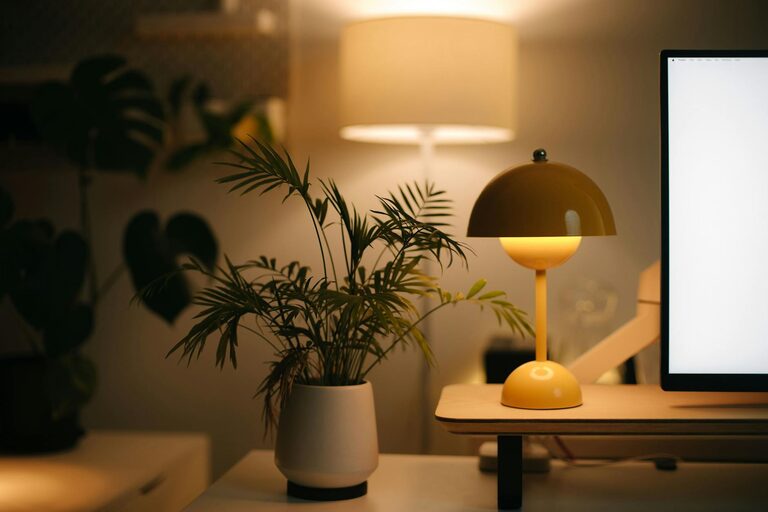
– Combine Lighting Sources: Use a combination of overhead lights and task lighting like a desk lamp.
– Avoid Glare: Position your desk and monitor to avoid glare from windows or lights.
– Use Adjustable Lights: Dimmable lamps allow you to control brightness according to the time of day or task.
4. Organize Your Workspace
A tidy and organized area can improve focus and reduce stress.
– Declutter Regularly: Remove unnecessary items from your desk daily.
– Use Storage Solutions: Shelves, drawers, and organizers can keep supplies and documents orderly.
– Cable Management: Keep cords and cables neat using clips or organizers to prevent tangling.
5. Personalize Your Office
Adding personal touches can make your workspace more inviting and motivating.
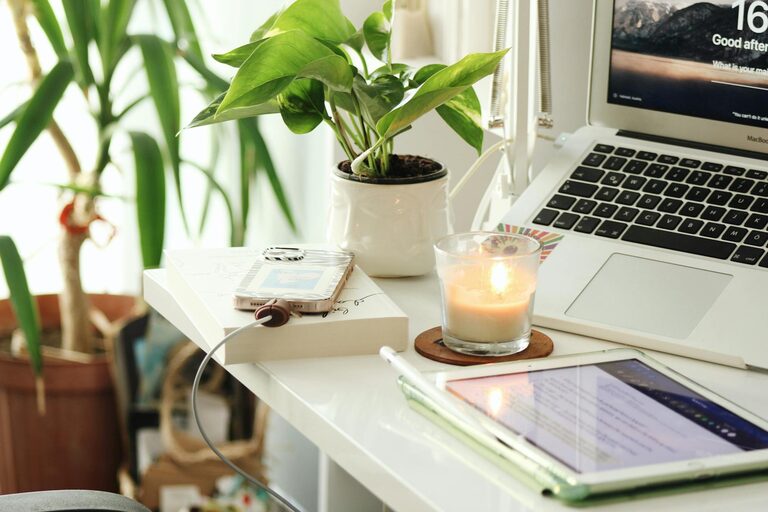
– Decorate with Plants: Indoor plants improve air quality and add a calming effect.
– Artwork and Photos: Choose images that inspire you without being distracting.
– Comfort Items: A cozy blanket or a favorite mug can make the space feel welcoming.
6. Set Boundaries and Routine
Maintaining a clear distinction between work and home life is important.
– Define Work Hours: Set specific start and finish times to create structure.
– Communicate Boundaries: Let family or roommates know your schedule to minimize interruptions.
– Create a Morning Routine: Prepare as if you’re going to an office to mentally transition into work mode.
7. Utilize Technology Wisely
Good tools can streamline your work process.
– Reliable Internet: A fast and stable connection is critical for meetings and research.
– Productivity Apps: Use calendars, task managers, and note-taking apps to stay organized.
– Headphones: Noise-canceling headphones help block distractions, especially in noisy environments.
8. Maintain Good Air Quality and Comfort
Physical comfort affects your ability to focus.
– Ventilation: Open windows or use an air purifier to keep air fresh.
– Temperature Control: Keep the room at a comfortable temperature; use fans or heaters as needed.
– Regular Breaks: Step away from your desk periodically to stretch and refresh your mind.
Conclusion
Creating a productive home office does not require a complete overhaul or expensive equipment. By thoughtfully choosing your space, investing in ergonomic furniture, optimizing lighting, organizing your materials, personalizing your area, and setting clear boundaries, you can build an environment that supports your productivity and well-being. Remember, small changes can make a big difference in how you work from home.